
How to Spot and Prevent Eye Strain in Children: A Guide for Hurstville Parents
The digital world is now a big part of kids' lives, including education. As a result, eye strain has become a common issue. Eye strain is common among kids. While this is a common issue, it is difficult to diagnose. Children cannot demonstrate the problem. Adults even have a difficult time understanding the problem, and adolescents have a difficult time understanding the problem all the time. Unaddressed symptoms can impact a person's quality of life, learning, and concentration.
In Hurstville, your family can use eye care services like Eye Concepts Hurstville to help protect your kids' eyesight. Because of Medicare bulk billing, early diagnosis is easier.
Your kids can avoid long-term visual fatigue, and parents can learn the signs of eye strain in the digital world. This guide will help you with your next steps.
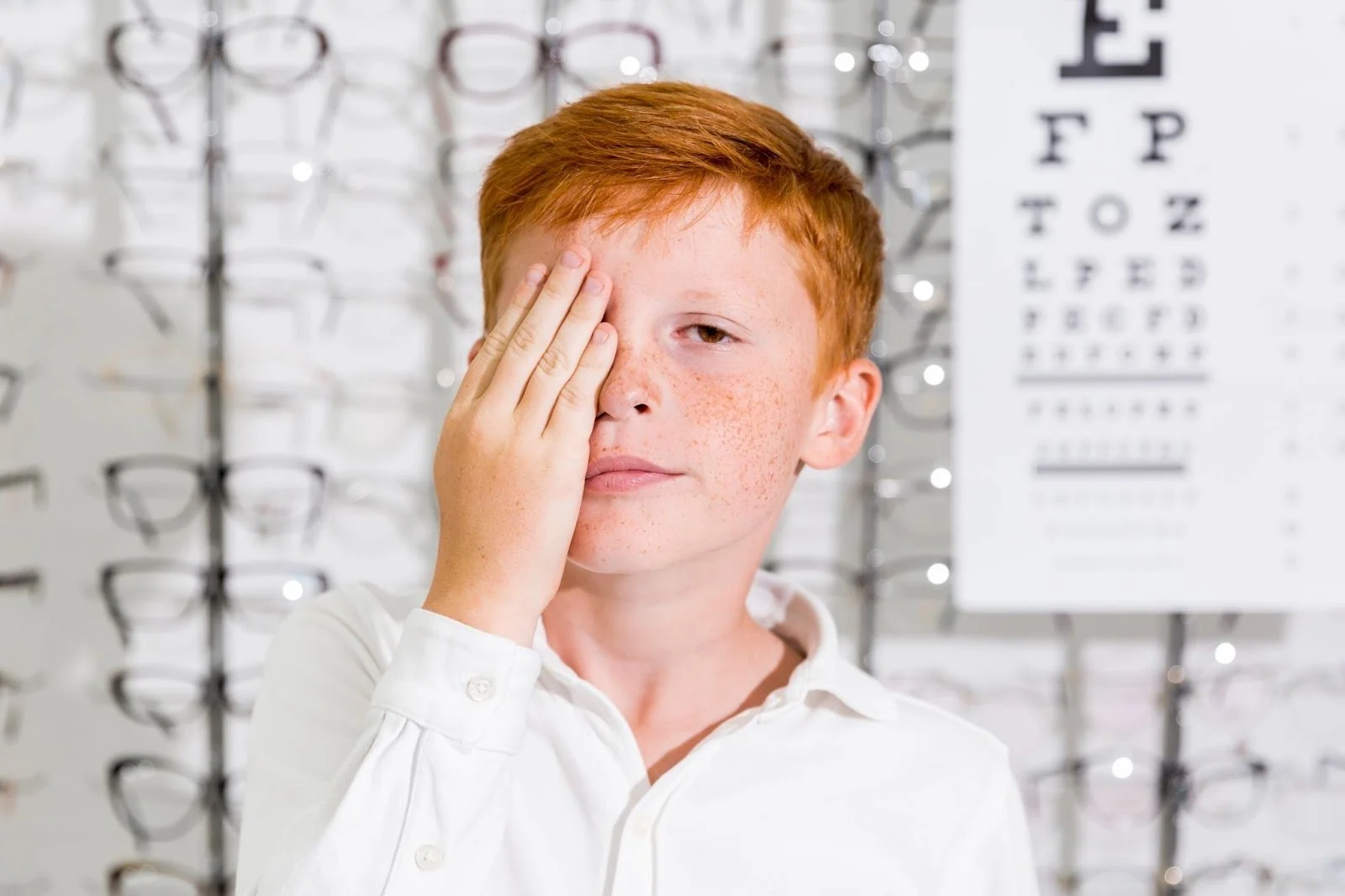
Understanding Eye Strain in Children
Eye strain occurs when kids’ eyes get tired from too much reading, screen time, or close-up work. The tricky part? Most kids don’t realise anything’s wrong—they just assume this is how their eyes are supposed to feel.
Since their eyes are still developing, children are actually more likely to get worn out. They probably won’t tell you their vision is blurry or that their eyes hurt. Instead, you’ll notice other things: maybe they get cranky, complain about headaches, or suddenly want nothing to do with books. These are usually the first signs that something’s up.
Prevalence and Relevance in Australia
According to Optometry Australia, about one in five kids here has a vision problem that no one’s picked up on yet. If children aren’t getting their eyes checked regularly, these issues can slip under the radar for years.
In the case of Hurstville, the educational needs of the children, along with additional tutoring and entertainment on the screen, subject the eyes of these minors to a lot of strain. However, the availability of Medicare-subsidised eye tests makes early diagnosis feasible.
Early Signs Parents Should Watch For
Catching eye strain early can make a real difference. When you know what to look for, you can step in before things get worse and feel more sure about keeping your child’s eyes healthy.
Physical Signs
Rubbing the eyes frequently, especially after reading or screen time
Complaints of headaches, particularly in the forehead or around the eyes
Excessive blinking or squinting
Holding books or devices too close to the face
Tilting the head or covering one eye while reading
Behavioural Signs
Avoidance of reading, homework, or activities that involve close focus
Short attention span when using books or screens
Becoming easily frustrated during tasks requiring concentration
Unexplained dips in school performance, especially in reading or writing
Preferring to watch rather than read, even when capable
These signs may develop gradually or worsen with increased screen time or poor lighting.
Common Triggers of Eye Strain in Children
Several day-to-day habits contribute to eye strain in children. Identifying these can help reduce the frequency and severity of symptoms.
Extended Near Work
The amount of time spent doing homework and/or reading/writing without taking breaks contributes significantly to eye strain. Additionally, extended amounts of time spent on near work (reading, writing, etc.) will contribute to eye strain.
Digital Screens
Children are exposed to blue light from digital screens such as TVs, tablets and mobile phones; as well as being forced to look at a device up close all day. In addition, children now spend an excessive amount of time watching TV and playing games on their devices, which is causing them to have prolonged screen time.
Poor Lighting and Posture
Poor lighting can make it difficult for a child's eyes to focus; therefore, it can strain their eyes to see what they are looking at. Poor lighting when viewing a screen (glare, bright lights) increases the risk of eye fatigue. When a child reads or uses a tablet/phone while lying down, it causes poor posture, putting strain on both the child's eyes and neck.
Effective Prevention Strategies for Parents
Fortunately, small, consistent changes to your child’s routine can make a real difference, helping you feel confident in protecting their eye health.
Implement the 20-20-20 Rule
A simple method recommended by eye care professionals is the 20-20-20 rule. Every 20 minutes, encourage your child to take a 20-second break and look at something 6 metres (20 feet) away. This allows the eye muscles to relax and reset.
Create an Eye-Friendly Environment
Ensure even, glare-free lighting in homework and reading areas
Position screens at arm’s length, slightly below eye level
Use ergonomic chairs and desks suited to your child’s size
Avoid having screens near windows where sunlight might reflect
Encourage Outdoor Time
Natural light is beneficial for children’s eye development. Aim for at least 90 minutes of outdoor play each day, as this can help reduce the risk of myopia (short-sightedness).
Monitor and Limit Screen Time
Set limits around non-essential screen use.
Establish screen-free times, such as during meals and the hour before bedtime.
Use device timers or parental controls to manage total exposure.
Model balanced screen habits as a parent.
Schedule Regular Eye Exams
Don’t wait for your child to complain about their vision. Kids’ optometrists know how to catch problems early, even before any symptoms show up.
If you’re in Hurstville, it’s pretty easy to find a clinic, and Medicare covers eye tests for kids. So, you can actually relax knowing expert care is close by, and your child’s eyes are in good hands.
When to Seek Professional Help
While preventive habits can significantly reduce eye strain, there are times when professional advice is necessary. If symptoms persist even after adjusting lighting, posture, and screen time, a formal eye examination is recommended.
Parents should book a consultation if they notice any of the following:
Complaints of double vision or blurry sight when reading or writing
Covering one eye to see clearly
Holding books or screens unusually close despite corrections
Increased clumsiness, such as bumping into objects
Trouble copying from the board or reading printed material at a distance
Complaints of dizziness or nausea during visual tasks
Even if symptoms appear minor, early intervention can prevent long-term delays in learning and development. Many issues, such as focusing difficulties or early signs of short-sightedness, can be managed effectively with lenses or simple visual exercises when caught early.
Building Healthy Visual Habits Early
Long-term eye health is built through daily routines, not just occasional checks. Children benefit most when visual care is integrated into everyday life.
Consistency Matters
Keep study and reading areas well-lit, with natural light where possible
Use appropriate furniture to support upright posture
Avoid letting children lie on their stomachs or backs while using screens
Encourage Reading in Moderation
Reading should be a pleasure, not a strain. Break longer reading sessions into smaller blocks with short pauses in between. Observe if your child starts avoiding reading altogether — it may be a sign they’re struggling with visual processing.
Balance Indoor and Outdoor Activity
When it’s time for a break, get moving and give your eyes something different to look at. Try activities that stretch your sight — maybe head outside, ride a bike, or just stare up at the clouds for a while. Switching things up like this lets your eyes relax and flex new muscles.
Annual Eye Tests – Even Without Symptoms
A lot of parents only take their kids to the eye specialist when something seems wrong. But honestly, vision problems can sneak up without any warning. Get your child’s eyes checked every year by a real optometrist. That way, you’ll catch any issues early, before they mess with school or knock their confidence.
And if bad eyesight runs in the family, or you notice your kid suddenly struggling in class, don’t wait. Book an eye exam right away.
Supporting Parents in Hurstville
Families in Hurstville have convenient access to high-quality paediatric eye care. Many local optometry clinics offer bulk-billed services, meaning Medicare covers the cost of a standard eye examination. These tests are safe, non-invasive, and suitable for children of all ages—even pre-schoolers.
When selecting a provider, consider:
Clinics with experience in children’s eye health
Availability of after-school or weekend appointments
Paediatric-friendly environments that make children feel comfortable
Community health initiatives and school-based screenings may also be available. However, these should not replace comprehensive tests performed by a qualified optometrist.

Take Action: Book an Eye Test in Hurstville
Supporting your child’s visual development begins with education, but is reinforced by taking action. By being aware of the early signs, reducing screen time, and attending regular eye appointments, small problems can be avoided before they become a lifetime struggle.
For families in Hurstville, Eye Concepts offers optometry for children and Medicare-covered eye exams. Their trusted staff will provide consultations that matter for your child and you—ensuring that every child has the vision they need.
Summary Table: Common Triggers, Signs, and Preventive Tips
| Trigger | Warning Sign | Prevention Tip |
|---|---|---|
| Long reading sessions | Eye rubbing, short attention | Use the 20-20-20 rule, schedule reading breaks |
| Dim lighting | Squinting, headaches | Improve ambient and task lighting |
| Prolonged screen time | Blinking, avoidance of tasks | Limit usage, introduce screen-free routines |
| Poor posture | Neck pain, holding items close | Provide ergonomic seating and desk setup |
| Lack of outdoor activity | Increased visual fatigue | Schedule 90+ minutes of natural light daily |
By creating a balanced environment, encouraging healthy habits, and accessing local support services, parents can make a lasting difference in their child’s comfort and visual development.
Book your child’s eye exam at Eye Concepts Hurstville and take a proactive step towards their long-term well-being.