
Key Signs of Vision Problems in Children Parents Shouldn’t Ignore: Guidance for Families in Hurstville
Child health monitoring is more than just checking for growth spurts and taking care of their teeth. It is also about checking their eyes and monitoring their visual development. In Australia, the rate of undiagnosed vision problems is very high for children. Since learning is primarily achieved through the sense of sight, the possible negative effects of uncorrected problems include disruption of the child’s concentration and negative influences on classroom behaviour and overall achievement. Vision care accessibility is particularly important for families in the St George area, and making the first appointment with an optometrist in Hurstville is often the first step in identifying these ‘invisible’ problems.
By taking the child’s eye health seriously, parents can identify issues that could cascade into negative impacts on the child’s development. This article is designed for parents as a guide that details the more subtle issues, the behavioural changes that may be more obvious, and available local resources for vision care, to assist in preserving the child’s eyesight.
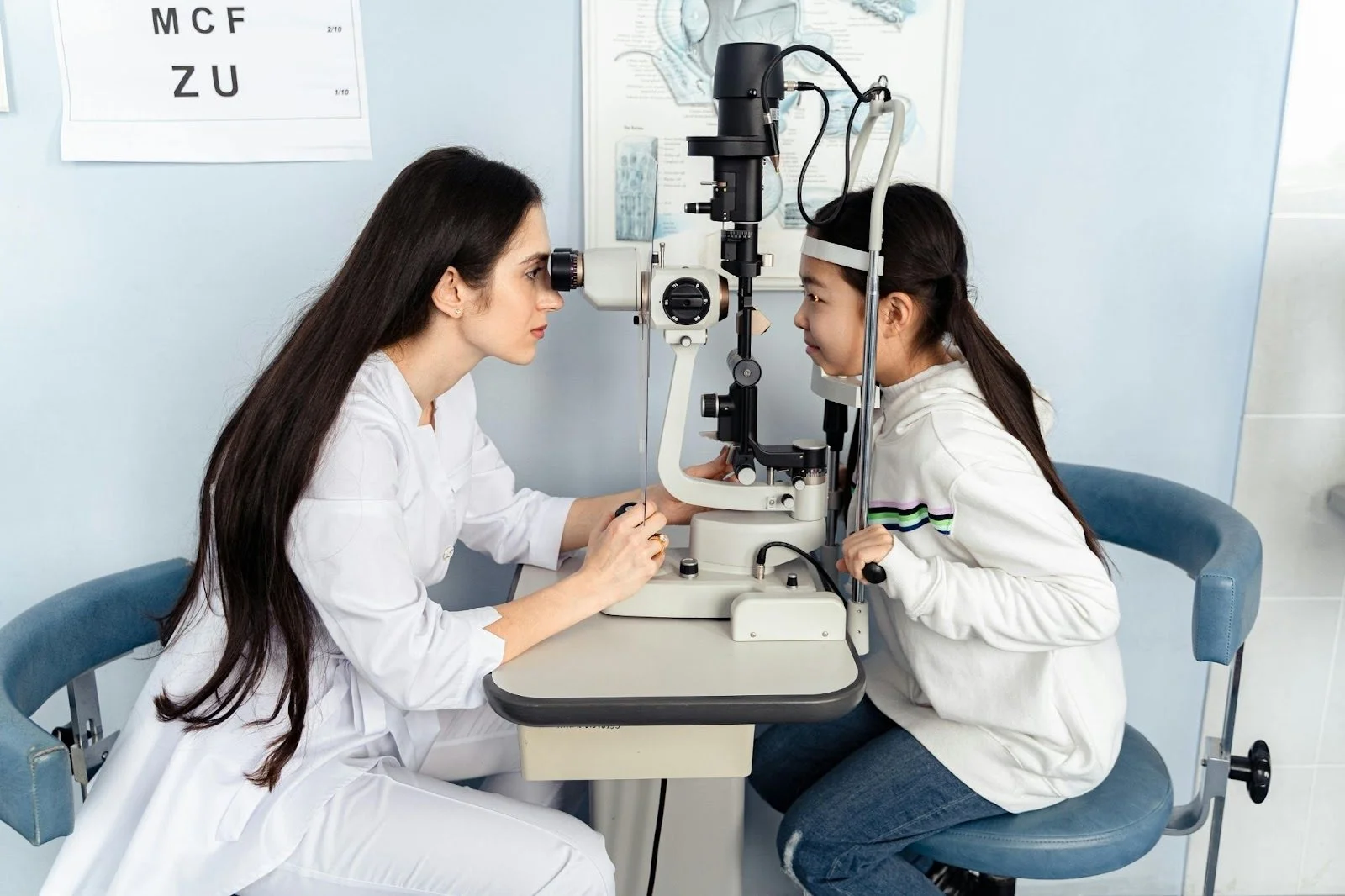
Why Vision Problems in Children Often Go Unnoticed
One of the greatest challenges for parents is that vision problems in the young are rarely self-reported. Unlike an adult who notices a sudden change in clarity, a child’s perspective is limited by several factors:
No Point of Comparison: A child who has always seen the world through a slight blur or with distorted depth perception believes this is the universal standard for "normal" vision.
Vocabulary Limitations: Younger children frequently lack the specific descriptive language needed to explain symptoms such as "astigmatism," "double vision," or "peripheral blur".
Natural Adaptation: Children are remarkably resilient. They often instinctively compensate for poor vision by squinting, tilting their heads, or moving closer to objects, effectively masking the problem from casual observers.
Because of these factors, proactive parental observation and professional screenings are the only reliable ways to ensure a child’s eyes are functioning correctly.
Physical Signs Parents Should Watch For
While children may not speak up, their bodies often provide physical clues that the visual system is under strain. These symptoms are often observed during everyday activities such as reading, playing, or watching television.
Squinting or Covering One Eye
If you notice your child squinting to see the television or a distant sign, it is a primary indicator of refractive errors, such as myopia (short-sightedness). By squinting, they are attempting to narrow the light entering the eye to sharpen the focus. Similarly, covering or closing one eye while reading or watching a screen may suggest that the eyes are not working together properly (binocular vision issues) or that one eye is significantly weaker than the other.
Head Tilting or Frequent Headaches
A persistent head tilt is more than just a habit; it can be a functional compensation for eye misalignment or "eye turns". By tilting the head, the child may be trying to align their eyes to avoid double vision. Furthermore, frequent headaches—particularly those occurring in the late afternoon or after school—are often due to significant eye strain, as the child's ocular muscles work overtime to maintain focus throughout the day.
Rubbing Eyes and Excessive Blinking
While eye rubbing can be a sign of allergies or tiredness, frequent rubbing during visual tasks often indicates visual fatigue. If a child is blinking excessively while looking at a tablet or book, it may be a sign that their eyes are struggling to clear a blurry image or that they are becoming dry due to a reduced blink rate during intense screen use.
Holding Devices Too Close
The "working distance" of a child is a major clue to their visual health. If a child consistently sits right in front of the television or holds a smartphone or book only a few centimetres from their face, it is a hallmark sign of short-sightedness.
Behavioural Clues That May Signal Poor Vision
In addition to the typical indicators, a child’s social interactions and actions in group learning can tell you a lot about the child’s vision.
Reading Avoidance and Difficulty
It can take a child with vision problems a lot of effort to read anything. Signs parents can watch for include the child losing their place, tracking lines with a finger, and skipping lines, especially when these behaviours persist longer than those of the child’s peers. When a child becomes upset or “tired” after just five minutes of reading, or complains about doing a reading assignment, it is not a sign of “laziness.” Often, it is a sign of visual discomfort.
Misinterpreting Vision Issues as ADHD
There is a significant overlap between the symptoms of vision problems and those of attention-based disorders. A child who cannot see the whiteboard clearly or whose eyes cannot track across a page will naturally lose interest and become "inattentive". Educators may flag these children for having a short attention span, but a comprehensive eye exam should always be the first port of call to rule out a physical cause for classroom disengagement.
Declining Academic Performance
Visual information accounts for approximately 80% of all classroom learning. If a child’s vision is uncorrected, their ability to process visual memory, maintain reading comprehension, and engage with the teacher is severely compromised. A sudden dip in grades or a struggle to keep up with classmates often stems from the eyes.
How Vision Issues Impact Child Development
The ramifications of untreated vision problems extend far beyond blurred text; they can alter a child's developmental trajectory.
Cognitive Milestones: Clear visual input is a prerequisite for cognitive growth. When a child's visual data is inconsistent or blurry, their brain may experience delays in processing information and developing complex problem-solving skills.
Social and Physical Development: Vision is essential for hand-eye coordination. A child struggling with depth perception may appear "clumsy" or avoid team sports because they cannot track a ball or navigate a playground effectively. This avoidance can lead to social isolation and reduced physical activity.
Emotional Well-being: Constant struggle in the classroom leads to frustration. Children who cannot see as well as their peers often experience a decline in self-confidence, feeling less capable when the issue is simply a lack of corrective lenses.
When to Book a Comprehensive Eye Exam
According to Optometry Australia, waiting for a child to complain is not a strategy. Clear clinical guidelines exist to help parents stay ahead of potential issues.
The First Milestone: A child’s first comprehensive eye examination should ideally take place before they begin school, typically between the ages of 3 and 5.
Regular Intervals: Following the initial test, children should have their eyes checked every 1 to 2 years, or more frequently if a specific concern or symptom arises.
Early Testing is Possible: A common myth is that a child needs to know their alphabet to have an eye test. This is incorrect; optometrists use specialised tools, shapes, and picture-based charts to assess vision even in toddlers.
Accessibility in Hurstville: Local residents can access many clinics that bulk-bill Medicare cardholders, ensuring that financial barriers do not prevent children from receiving essential care.
| Feature | Details for Parents |
|---|---|
| Recommended Age | 3–5 years old for the first test |
| Frequency | Every 1–2 years |
| Prerequisites | No need to know letters or the alphabet |
| Cost | Medicare bulk-billing is often available in Hurstville |
Vision Care in Hurstville: Local Options for Families
Hurstville is a central hub for healthcare in the St George region, offering several child-friendly optometry practices. When looking for a local provider, families should consider:
Paediatric Experience: Choose an optometrist with specific experience in testing school-age children and an understanding of the nuances of early detection.
Convenience: Many Hurstville clinics offer weekend appointments to help families manage busy school and extra-curricular schedules.
Local Trust: Seeking care within the community allows for a consistent relationship with a professional who can monitor your child’s eye health as they grow from primary school into their teenage years.
Practical Tips for Parents to Support Visual Health at Home
While professional exams are necessary, the habits formed at home play a massive role in maintaining healthy eyes.
The 20-20-20 Rule: To combat digital eye strain, encourage children to take a break every 20 minutes, looking at something 20 feet (6 metres) away for at least 20 seconds.
Outdoor Time: Emerging research highlights that regular outdoor play can significantly reduce the risk and progression of myopia (short-sightedness). Aim for at least 90 minutes of outdoor light daily.
Correct Lighting: Ensure that study areas and reading nooks are well lit to reduce the effort required to focus.
Sun Protection: The Australian sun is intense. Model good habits by ensuring children wear Australian-standard sunglasses and wide-brimmed hats when outdoors.
Posture Checks: Monitor how your child sits while reading or using a tablet. Persistent slouching or leaning very close to the desk can be a sign of underlying visual fatigue.
Summary: Take Action Early to Protect Your Child’s Vision
Your child's vision is a crucial part of how they understand the world around them. Don't dismiss obvious signs such as head tilting or squinting, as well as behaviours like reading defensively or seeming distracted. The best way to safeguard your child from possibly losing the ability to see optimally is to ensure the necessary tools are available by identifying issues as early as possible through regular eye exams.
Waiting for school vision checks is not a plan. Problems that your child has had for a long time may go undetected. Take a vision test with your child at Eye Concepts in Hurstville to ensure that your child can have a bright future.