
Diabetic Eye Exams in Fairfield: How to Access Bulk-Billed Retinal Checks
Diabetic eye disease remains a significant cause of preventable vision loss across Australia. For those living with diabetes in Fairfield, New South Wales, regular eye exams play a vital role in protecting sight and detecting early signs of damage. With Medicare covering specific eye tests, many residents are eligible for bulk-billed retinal checks at local clinics.
This guide explains what diabetic eye exams involve, who is eligible for bulk billing, how often checks are needed, and how to access services in the Fairfield area. It aims to improve awareness, debunk common misconceptions, and encourage proactive vision care.
Why Regular Diabetic Eye Checks Are Essential
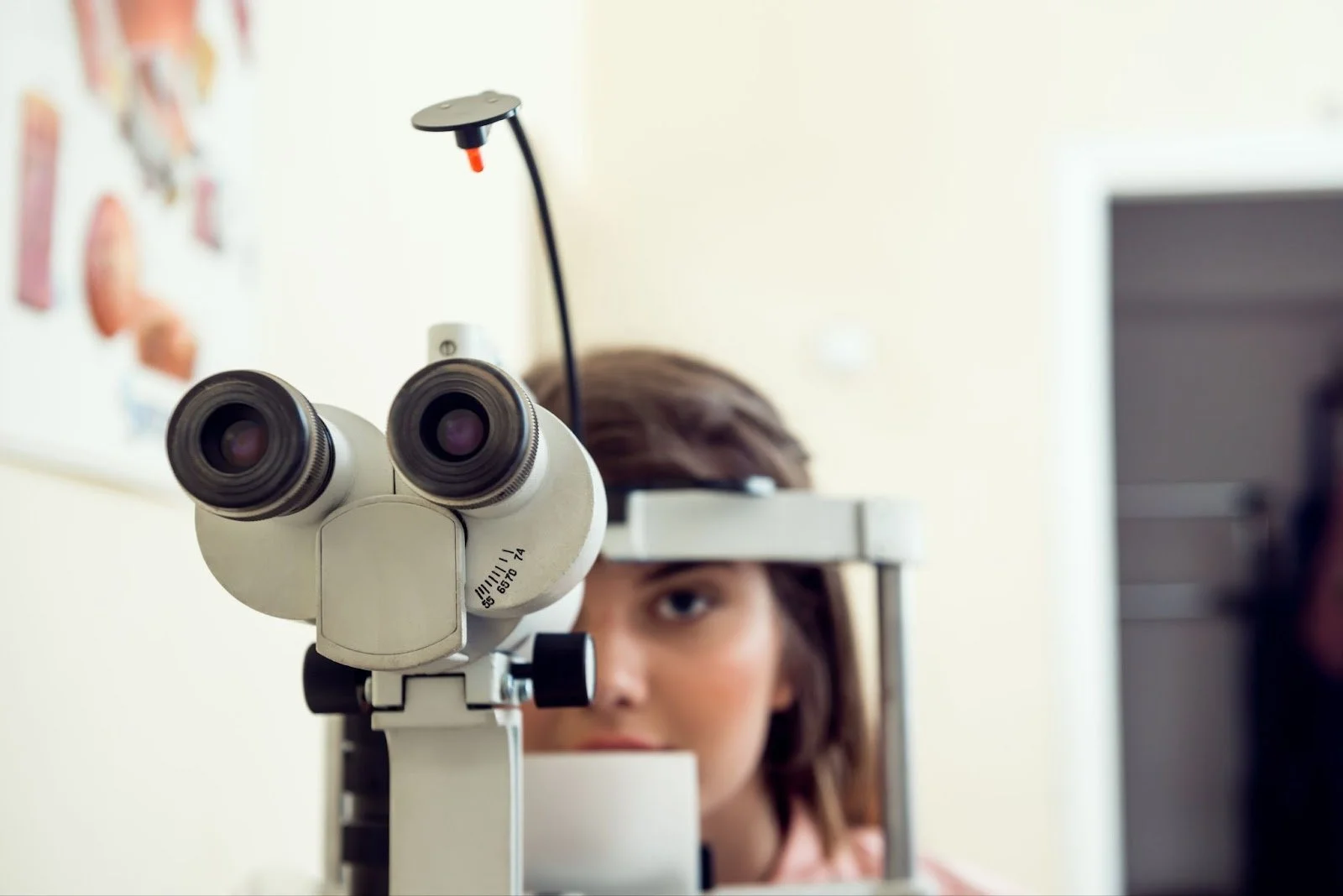
Diabetic retinopathy and related conditions can progress silently, with no noticeable symptoms until advanced stages. By this point, vision loss may already be irreversible. However, early detection through routine eye exams significantly reduces the risk of complications.
Clinical studies indicate that up to 90% of diabetes-related blindness is preventable with timely screening and treatment. Routine checks are a practical and effective safeguard against permanent retinal damage. Early detection allows treatment plans to begin before serious damage occurs, which can include laser therapy, medication, or surgery, depending on the severity.
Without regular monitoring, individuals risk developing proliferative diabetic retinopathy, diabetic macular oedema, or other complications that impair daily functioning. Preventive care reduces the emotional and economic burden of vision loss and helps individuals maintain their quality of life.
What Is a Diabetic Eye Exam?
A diabetic eye exam is designed to detect early signs of retinal damage caused by diabetes. The process typically includes:
Pupil dilation using eye drops to allow a clearer view of the retina
Retinal imaging, such as digital retinal photography
Assessment by an optometrist or ophthalmologist, who examines the retina for changes linked to diabetic retinopathy
Some clinics may also offer optical coherence tomography (OCT), which provides cross-sectional images of the retina for more detailed analysis. This helps detect fluid accumulation or changes in the macula.
This exam is distinct from a standard vision test, which may only assess eyesight and prescription needs. Retinal screening specifically evaluates the health of the eye’s internal structures affected by blood sugar levels.
For patients newly diagnosed with diabetes, the first eye exam should be scheduled promptly, followed by regular checks as advised by their medical team.
Who Is Eligible for Bulk-Billed Diabetic Eye Checks in Fairfield?
In Australia, people living with diabetes are eligible for regular retinal screening under Medicare. These services are often bulk-billed, meaning there is no out-of-pocket cost when provided by participating clinics.
Eligibility includes:
Individuals with Type 1 or Type 2 diabetes
Aboriginal and Torres Strait Islander peoples, who are at higher risk and may qualify for annual screening under Medicare Items 12325 or 12326
Bulk billing is available through many optometrists and some GP clinics that have installed the required imaging technology. The availability of Medicare-funded checks makes early detection more accessible to the wider community, regardless of income level.
In Fairfield, several optometrists and general practices participate in Medicare’s bulk billing scheme. Clinics such as Eye Concepts in Fairfield, NSW offer retinal imaging services that may be covered under these provisions.
How to Access a Bulk-Billed Retinal Check in Fairfield

Fairfield residents can take the following steps to arrange a diabetic eye exam:
Identify local optometrists offering bulk-billed diabetic eye exams. Ensure they are equipped with retinal imaging technology.
Check Medicare eligibility for bulk billing. Most Australians with diabetes are covered.
Call ahead to confirm the scope of services, as some clinics may require a referral or prior booking.
Eye Concepts, located in the Fairfield area, is among the providers offering diabetic retinal imaging. Patients should enquire directly to confirm bulk billing arrangements and availability.
When making an appointment, patients should bring their Medicare card, diabetes management plan (if available), and a list of medications. These details assist the practitioner in tailoring the examination to the individual's needs.
How Often Should Diabetic Eye Exams Be Scheduled?
Medical guidelines recommend that people with diabetes have a comprehensive eye exam every one to two years. The frequency depends on individual factors, including:
Duration of diabetes
Age
Blood sugar control
Presence of other health conditions, like hypertension
Whether previous eye complications have been diagnosed
Individuals with longstanding diabetes or poor glycaemic control may need more frequent assessments. The frequency can also vary for those who have undergone previous eye treatments, such as laser therapy or injections.
Your healthcare provider or optometrist will determine the appropriate schedule based on your personal health profile. Keeping these appointments consistent is essential to reducing the risk of advanced diabetic eye disease.
What to Expect During Your Appointment
A standard diabetic eye exam involves the following:
Medical history review focusing on diabetes management
Visual acuity test to assess eyesight
Retinal imaging, often involving pupil dilation
Examination of the retina for signs of damage such as microaneurysms, haemorrhages, or fluid accumulation
In some cases, intraocular pressure may be measured to screen for glaucoma, another condition that can co-exist with diabetes. OCT scanning may also be included, providing high-resolution images that help monitor subtle retinal changes.
Some patients may experience temporary blurred vision due to dilating drops. It is advisable to arrange transport if you are unsure about driving afterwards.
Common Myths About Diabetic Eye Checks
Misunderstandings about diabetic eye exams can lead to delayed or missed appointments. Addressing these myths helps reinforce the value of routine screening:
"My vision is fine, so I don't need an exam."
Retinal damage can occur long before symptoms appear. Waiting for noticeable changes may mean the disease has already progressed.
"Only eye specialists can do these tests."
Many optometrists, including local providers in Fairfield, are qualified and equipped to perform diabetic retinal screenings using approved technology.
"Retinal scans always involve extra costs."
Bulk-billed options are available to eligible individuals through Medicare. It is important to ask your clinic if they participate in bulk billing schemes.
"I already wear glasses, so my eyes are being looked after."
Prescription checks are different from retinal health assessments. Both are necessary but serve different purposes.
Benefits of Early Detection and Ongoing Monitoring
Proactive eye care leads to significant health and lifestyle benefits for people with diabetes:
Reduced risk of permanent vision loss through early intervention
Improved diabetes management through coordinated care between GPs, endocrinologists, and optometrists
Lower long-term healthcare costs by avoiding the need for invasive treatments
Greater independence and preserved quality of life
When changes are detected early, treatments such as laser therapy or anti-VEGF injections can halt or slow progression. In contrast, advanced retinopathy may require surgical intervention with variable outcomes.
People who commit to ongoing monitoring often feel more in control of their diabetes management overall, improving adherence to medication and blood glucose control.
Fairfield Community Resources and Support
Residents of Fairfield can access a range of support services:
Local optometry clinics, such as Eye Concepts, offer screenings
South Western Sydney Local Health District (SWSLHD) diabetes services
Diabetes NSW & ACT for education and support programmes
Multicultural community centres, offering health education in community languages
For those needing assistance, interpreters are often available through healthcare services. Written resources are also available in Arabic, Vietnamese, Chinese and other languages commonly spoken in Fairfield.
Community education sessions, diabetes self-management workshops, and mobile screening clinics are occasionally run in the region. These provide accessible care and help reduce barriers to screening, particularly in culturally and linguistically diverse populations.
Key Takeaways for Fairfield Residents
Diabetic eye exams are essential in preventing avoidable blindness.
Bulk-billed retinal checks are accessible in Fairfield under Medicare.
Individuals with diabetes should schedule an eye exam every 1–2 years.
Local providers, including Eye Concepts Fairfield, offer retinal imaging services.
Early detection significantly improves outcomes and supports better diabetes care.
Community resources are available to assist with access, translation, and education.
Final Note
Regular eye checks are a practical and accessible step for those living with diabetes in Fairfield. By engaging with local healthcare providers and taking advantage of bulk-billed services, residents can protect their vision and health well into the future.
Awareness, consistency, and community support are the pillars of effective diabetic eye care. If you or a loved one is living with diabetes, speak to your local optometrist today to ensure retinal screening is part of your health plan.