
Bulk-Billed Glaucoma Tests in Fairfield: Who Qualifies and What to Expect
Glaucoma is a chronic and progressive eye disease that often causes irreversible vision loss if not detected early. It primarily affects the optic nerve and can lead to deterioration of peripheral vision before symptoms become noticeable. For individuals in Fairfield, NSW—particularly those aged 40 and over or with conditions like diabetes—access to bulk-billed glaucoma testing through Medicare provides a crucial opportunity for early diagnosis and management.
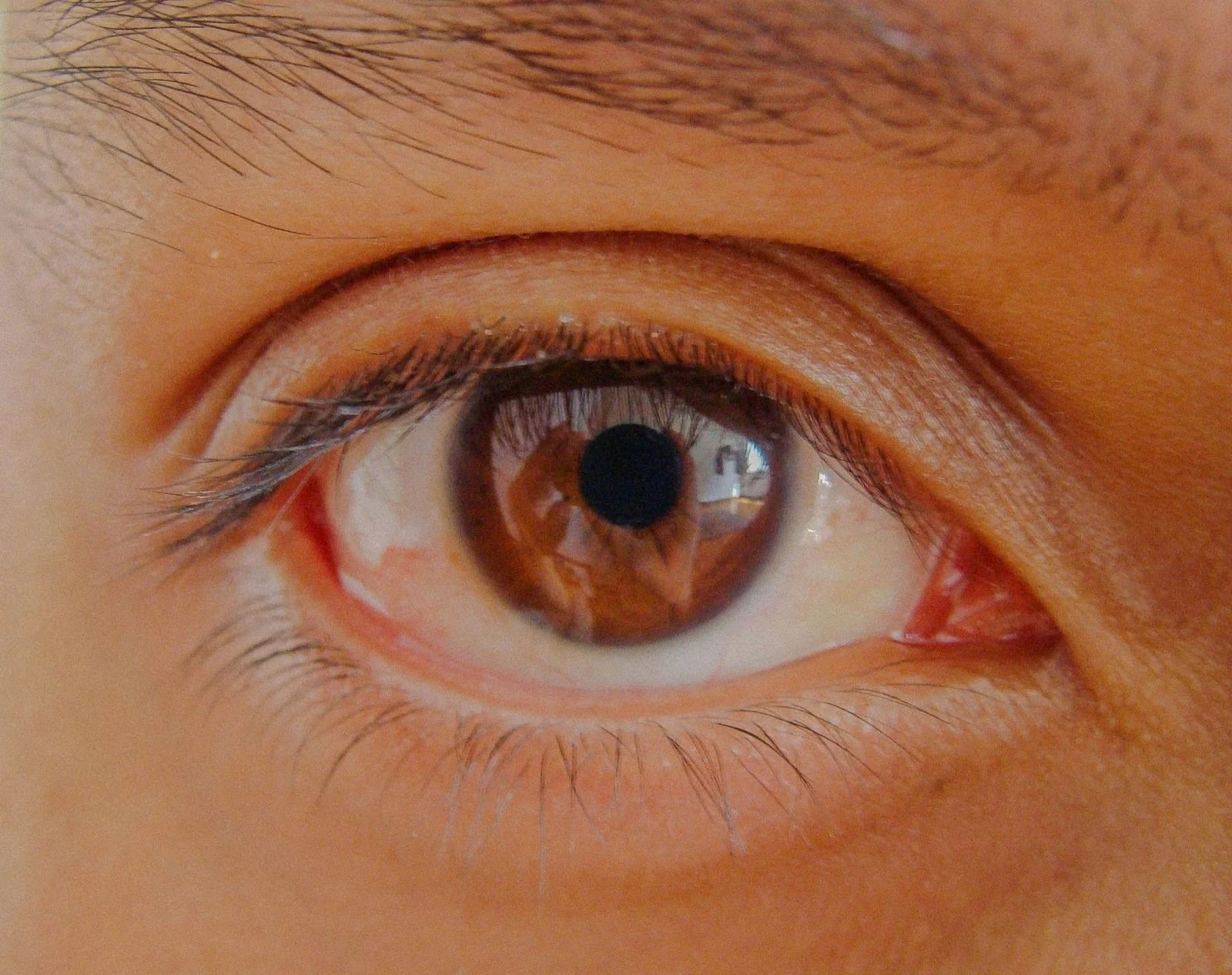
Medicare’s MBS item 10914 enables eligible patients to receive follow-up eye care from qualified optometrists without incurring out-of-pocket expenses. This article outlines who qualifies, how the process works, and what to expect during and after the test.
Why Glaucoma Testing Matters for High-Risk Individuals
Glaucoma is often called the "silent thief of sight" due to its slow progression and lack of early symptoms. Once vision loss begins, it cannot be reversed. However, with timely screening and ongoing monitoring, its progression can be controlled, allowing patients to retain useful vision for many years.
Understanding Glaucoma
Glaucoma refers to a group of eye conditions that damage the optic nerve, which is essential for vision. This damage is commonly associated with elevated intraocular pressure, although not all cases involve high pressure. There are several forms of glaucoma, but the most common types are:
Primary Open-Angle Glaucoma – the most prevalent form, it progresses slowly and painlessly.
Angle-Closure Glaucoma – a less common type that can develop suddenly and requires urgent medical attention.
Secondary Glaucoma – caused by eye injury, inflammation, or another condition.
Normal-Tension Glaucoma – optic nerve damage occurs despite normal eye pressure.
Each type requires different management approaches, and all benefit from early detection through routine eye exams.
Risk Factors That Warrant Testing
The likelihood of developing glaucoma increases with certain risk factors. Those who should undergo regular screening include:
People aged 40 and over
Individuals with a family history of glaucoma
Those with Type 2 diabetes
People with high intraocular pressure
Individuals who have sustained an eye injury or undergone eye surgery
Aboriginal and Torres Strait Islander individuals, who statistically face a higher risk
In Fairfield, many optometry practices recognise these risk categories and offer comprehensive assessments to detect early and provide long-term care.
What Is MBS 10914 and How Does It Apply?
Medicare’s item 10914 is a critical provision for glaucoma care in Australia. It allows optometrists to conduct follow-up consultations and assessments for progressive eye conditions such as glaucoma.
What MBS 10914 Covers
MBS 10914 supports the delivery of advanced eye health monitoring, including:
Visual field analysis
Intraocular pressure testing
Optical Coherence Tomography (OCT) scans
Ongoing review of optic nerve health
Management planning for patients with diagnosed or suspected glaucoma
These services are essential for maintaining stable vision and ensuring early intervention when needed. When a clinic offers bulk billing under MBS 10914, there are no out-of-pocket costs to the patient for these services.
Eligibility Criteria for MBS 10914
Patients are eligible for item 10914 if they:
Have a confirmed or suspected diagnosis of glaucoma
Require regular follow-up as part of an ongoing care plan
Are being monitored by an optometrist or referred by a GP or ophthalmologist
There is no need for private health insurance to access this benefit. Instead, eligibility is based on clinical need and Medicare enrolment.
How to Access Bulk-Billed Glaucoma Tests in Fairfield
Residents of Fairfield who qualify can book an appointment with a participating optometrist and begin receiving care without incurring personal costs. The following steps guide the process.
Step-by-Step Guide
Book an Appointment
Contact a local optometrist offering bulk billing for glaucoma testing. Eye Concepts Fairfield, located in Smart Street, Fairfield, NSW is one such clinic.Bring Your Medicare Card
Ensure your Medicare details are up to date and available at the time of your appointment.Attend a Risk Assessment
During the first visit, the optometrist will review your medical and family histories, as well as your eye health risk profile.Complete Diagnostic Tests
Tests may include OCT scans, visual field testing, slit-lamp examinations, and pressure measurements.Participate in Follow-Up Care
If glaucoma is confirmed or suspected, MBS 10914 allows repeat visits and long-term care at no cost to the patient, provided the clinic continues to bulk-bill.
Where to Access Bulk-Billed Glaucoma Testing in Fairfield

Several optometry clinics in Fairfield offer bulk-billed glaucoma testing under Medicare item 10914. Eligible patients can contact a local optometrist directly to confirm availability and booking requirements. It is recommended to ask whether the clinic offers:
Bulk billing for glaucoma follow-up assessments
Testing and imaging are covered under Medicare
Support for high-risk patient categories without requiring a GP referral
Clinics such as Eye Concepts, located centrally in Fairfield, are known to provide Medicare-funded glaucoma care. Patients should enquire directly with their chosen optometrist regarding documentation required and the services available.
What to Expect During the Glaucoma Test
The glaucoma test is non-invasive, safe, and usually completed within 30 minutes. It includes several procedures that allow optometrists to assess different aspects of eye health.
Components of the Eye Exam
Intraocular Pressure Measurement – detects signs of elevated pressure using a tonometer.
Optic Nerve Imaging (OCT) – a high-resolution scan of the back of the eye.
Visual Field Testing – measures your peripheral vision to detect blind spots.
Slit-Lamp Examination – assesses the front structures of the eye, including the cornea, iris, and lens.
Dilated Eye Examination – may involve eye drops that allow a broader view of the retina and optic nerve.
Comfort and Safety
Most of the tests are painless. Some patients may experience temporary blurred vision or light sensitivity when dilation drops are used. It is advised not to drive immediately after dilation and to bring sunglasses for post-exam comfort.
Benefits of Early Detection and Ongoing Monitoring
Glaucoma management depends on early detection. Without proper monitoring, patients may only discover the condition after substantial vision loss.
Preserve Vision Before Symptoms Appear
Because peripheral vision is affected first, many individuals are unaware they have glaucoma until the damage is advanced. Regular eye exams offer the best chance of slowing the disease and preserving sight.
Reduce Treatment Burdens Later
Ongoing monitoring enables healthcare providers to intervene early with medical therapies such as eye drops, laser treatments, or surgical options. By doing so, the need for invasive procedures can be reduced or delayed.
Promote Equitable Access to Eye Care
Bulk billing through MBS 10914 allows patients from diverse backgrounds, including pensioners and those without private insurance, to receive the same level of follow-up care as privately insured individuals.
Common Questions About Bulk-Billed Glaucoma Tests
How Often Should High-Risk Individuals Be Tested?
Every 1 to 2 years for individuals over 40
Annually, for those with a family history or other high-risk factors
More frequently, as advised by your optometrist, if any signs of glaucoma are present
Do I Need a Referral?
No referral is needed for the initial consultation with an optometrist. If ongoing care is required under MBS 10914, the optometrist will manage the appropriate documentation and care plan. In some complex cases, a referral to an ophthalmologist may be made.
What If I’m Not Eligible?
If you do not qualify under Medicare or if the clinic does not bulk bill:
Ask about discounted consultation fees
Use private health cover where applicable
Request alternative Medicare items (e.g. for general eye exams)
Your optometrist can clarify the best course of action based on your circumstances.
Final Thoughts and Next Steps
Glaucoma is a serious eye condition that can lead to permanent vision loss if left untreated. Fortunately, early detection and consistent follow-up significantly improve long-term outcomes. In Fairfield, bulk-billed services under Medicare item 10914 mean many at-risk individuals can receive high-quality glaucoma care without a financial burden.
If you are over 40, have diabetes, or have a family history of glaucoma, schedule an appointment with a local optometrist such as Eye Concepts to determine your risk and begin appropriate monitoring. Protecting your vision starts with one appointment—and thanks to Medicare, it doesn’t need to cost you anything.
Appointment Checklist
Before attending your eye exam, bring the following:
Valid Medicare card
List of current medications
Glasses or contact lenses (if used)
Information about family history or prior diagnoses
Referral letter (if previously referred by a GP)